Why FreeCell Might Be the Most Strategic Solitaire Game Ever Created
Solitaire variants come with a certain strategic depth but, for some reason, FreeCell can be deemed as the most strategic one. We’ll tell you why.
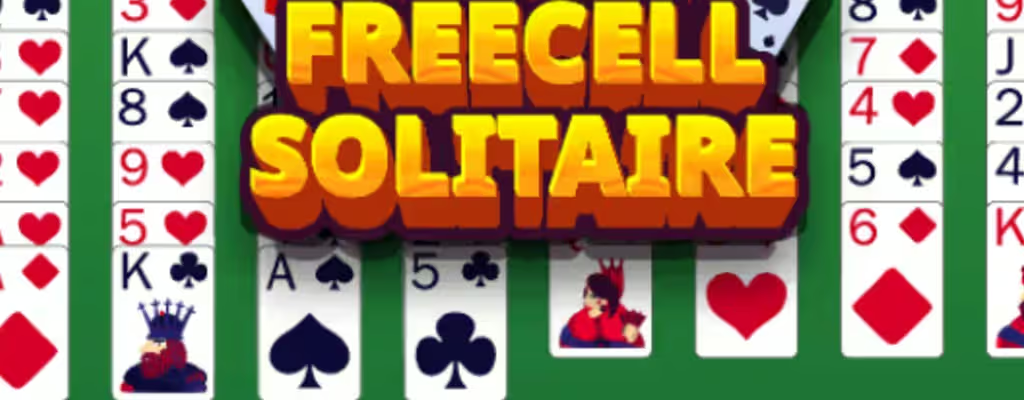
FreeCell looks polite at first. A neat deck, clean columns, four empty cells, and the familiar promise that you are about to play solitaire online without needing to learn a whole new card universe. Then the game quietly removes the training wheels and waits for you to realize every move has consequences.
That is what makes FreeCell feel different. It is not just about flipping cards and hoping luck stops being dramatic. Most of the cards are visible from the start, which means the game is basically saying, “Here is the problem. Now use your brain properly.” Very calm. Slightly threatening.
Luck has less room to hide
In many solitaire games, hidden cards create mystery. You make the best move you can, then uncover a card and discover whether the deck loves you or has chosen violence. That can be fun, but it also means luck gets a big seat at the table. FreeCell changes the mood because almost everything is open information. You can see the mess before touching it. That makes bad decisions feel more personal, which is rude but fair. If the game goes wrong, it is often because you trapped yourself three moves ago while feeling very confident about it.
The free cells are tiny miracles
The four free cells are what give the game its name, but they are also where the strategy gets spicy. Each one works like a temporary parking spot for a card. Sounds simple. It is not. Use them too casually and the whole board starts tightening around you like a badly packed suitcase.
Good players treat those cells like expensive real estate. You do not fill them just because a card is annoying you. You save them for moves that unlock columns, free important cards, or create a chain of progress. A beginner sees empty spaces. A strong player sees breathing room, escape routes, and future mistakes waiting to be avoided.
Empty columns change everything
FreeCell also rewards players who understand the value of an empty column. Clearing a full column is not just satisfying. It gives you power. Suddenly you can move longer sequences, reorganize cards, and open up parts of the layout that were previously sitting there with crossed arms. This is where the game becomes quietly brilliant. Every small decision connects to a bigger plan. Moving one card might help now, but keeping a column open might help much more later.
It feels like a puzzle with cards
FreeCell is probably one of the most strategic solitaire games because it feels less like chance and more like a puzzle. You study the board, test ideas, reverse your thinking, and look for the move that opens the most future options. That planning makes each win feel earned. Not loud. Not flashy. Just deeply satisfying. The kind of win where you lean back and act normal, even though your brain is clearly hosting a small award ceremony.
The strategy is the fun
The reason freecell online still holds up is that it gives players something rare: a solitaire game where patience, planning, and careful sequencing matter more than lucky reveals. It respects the player enough to show the whole problem and then let them solve it. That is why FreeCell might be the most strategic solitaire game ever created. It is simple to start, hard to master, and full of little decisions that quietly judge you. A regular solitaire game lets you pass time. FreeCell makes you negotiate with it.
Related Articles